Table of Contents
Cassino WWII Tours: the Four Battles of Cassino
The Battle of Monte Cassino (also known as the Battle for Rome ) was a long series of four battles , fought by the Allies with the intention of breaking through the Winter Line and seizing Rome.The only two roads leading to Rome, the Via Appia (Highway7) and Via Casilina (Highway 6), were fiercely defended by a series of German fortifications running across the width of Italy, from the west coast to the east coast called Winter Line,formed by the Gustav Line, the Hitler Line and the Bernhardt Line.
Cassino WWII Tours: the Gustav Line
The Gustav Line, made it impossible for the Allies to advance without suffering heavy casualties because it was being anchored by Germans holding the Rapido, Liri and Garigliano valleys and the German positions were further secured by garrisons posted on every peak of the surrounding mountainranges. Dominating the landscape is Monte Cassino, towering to almost 1,700m (5,500 ft), surrounded bysmaller but no less imposing series of mountains. This natural terrain gave the Germans an excellent vantage point from which to observe and attack Allied positions.
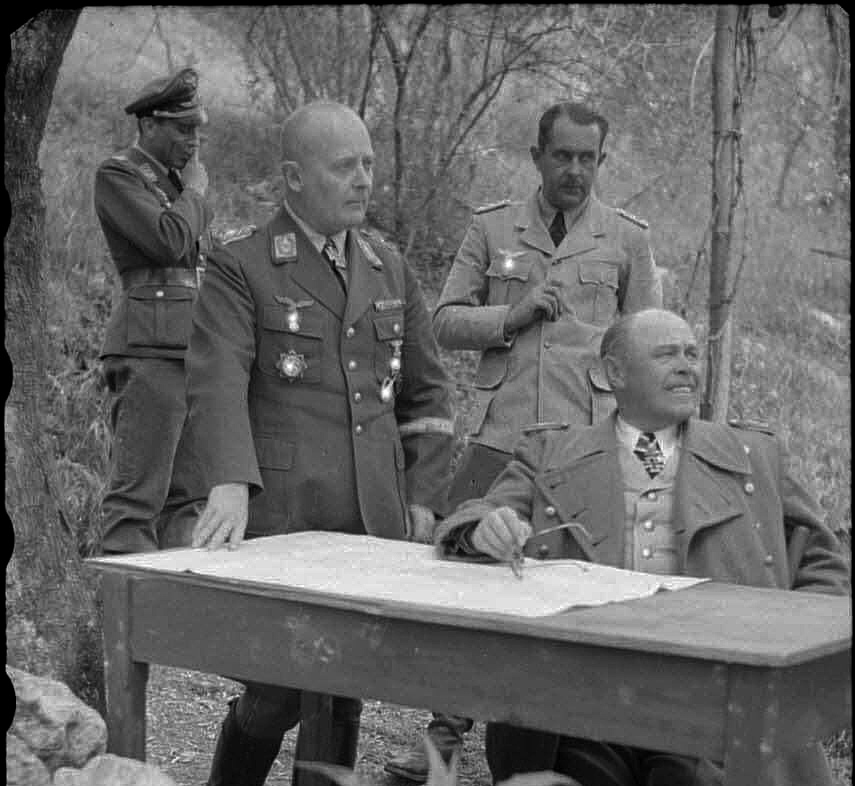
The bombing of Monte Cassino Abbey
The Germans had not occupied the historic abbey of Monte Cassino, although they manned defensive positions set into the steep slopes below the abbey walls. In co-ordinated military operations, the British, French, Americans, Indian, New Zealanders, Moroccans, and Polish Regiments converged on key German strongholds in a long struggle that lasted several months and cost the lives of thousands of men. On 15 February, the monastery, was destroyed by 1,400 tons of bombs dropped by American bombers. Look here
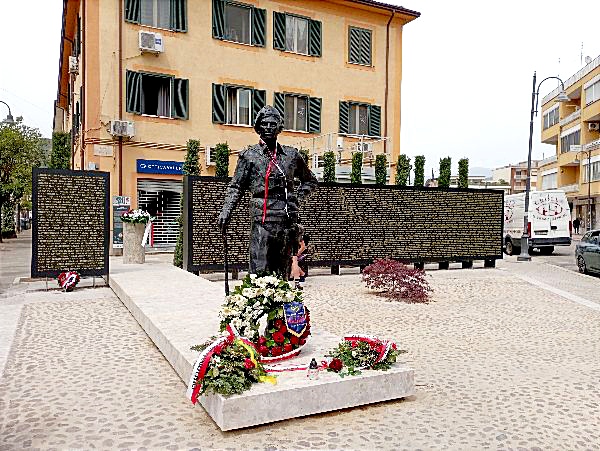
Cassino WWII Tours: the first mistake done by the Allied
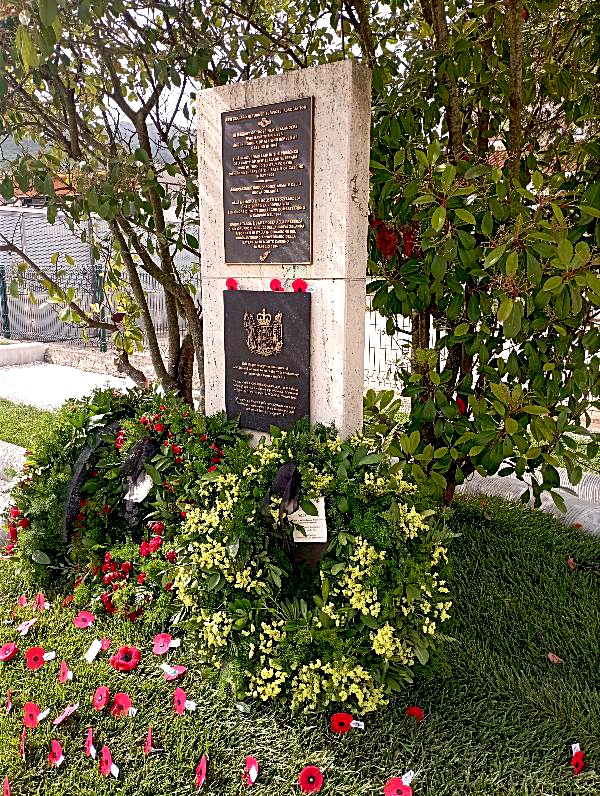
Two days after the bombing,Germans took up positions in the ruins; the destruction caused by the bombing gave troops improved protection from air and artillery attack making it a more viable defensive position. From 17 January to 18 May, the Gustav defences were assaulted four times by Allied troops.It was not until the last phase of the Battle, when all other Allied efforts had failed so dismally, that the II Polish Corps, was finally called into action. Their mission was to capture Monte Cassino and Piedimonte, which up until then could not be achieved by any other military units. The Poles drove the German defenders from their positions but at a high cost.
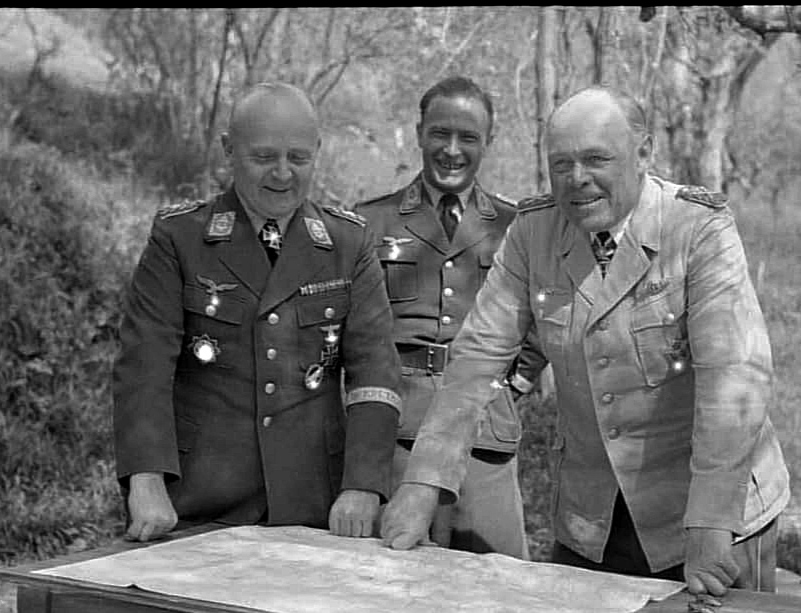
Cassino WWII Tours: the first Battle of Cassino
The Allies reached the German Gustav Line in Italy in mid-Jan 1943. British X Corps attacked first on 17 Jan 1944, crossing the Garigliano River near the coast on a 20-mile-wide front. Two days later, British 46th Infantry Division attacked near the junction of the Garigliano River and the Liri River but what was considered to be the main assault, conducted by US 36th Division, began shortly after sundown on 20 Jan 1944. Troops of US 141st Regiment and 143rd Regiment tryed twice to cross the Rapido River, but timely German counterattacks by German 15th Panzergrenadier Division caused heavy casualties.
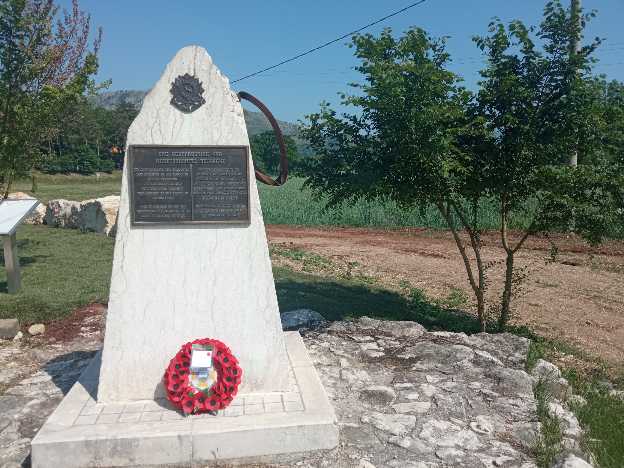
Cassino WWII Tours: the attempt to cross the Rapido River
In these failed attempted to cross the Rapido River, US 36th Division suffered 2,100 casualties. On 24 Jan, US 34th Infantry Division, with French Moroccan colonial troops also in its ranks, crossed the Rapido River north of Cassino and engaged in bitter fighting for the following week, and on 1 Feb, troops of German 44th Infantry Division finally allowed the Allies a solid foothold on the previously German side of the river.Fighting continued, and a renewed attack toward Monte Cassino was launched on 8 Feb, but after three days of heavy fighting and no apparent success, the assault was called off on 11 Feb.Meanwhile, the Allies launched Operation Shingle which landed 36,000 men at Anzio, Italy on 22 Jan 1944.
Cassino WWII Tours: the second Battle of Cassino
In an attempt to assert pressure on the Gustav Line in coordination with the attack on Anzio, Operation Avenger was launched. Similar to the first attempt to take Monte Cassino, the Allies, largely consisted of New Zealand and Indian troops in this offensive, suffered heavy casualties. Since the artillery fire came from up above, Allied leadership believed that the Germans must have observation posts near or within the Benedictine monastery. On 11 Feb, Brigadier Harry Dimoline, acting commanding officer of Indian 4th Division, requested aerial bombing of the monastery, which was passed on by Lieutenant General Bernard Freyberg to the air forces.
The bombing of the monastery
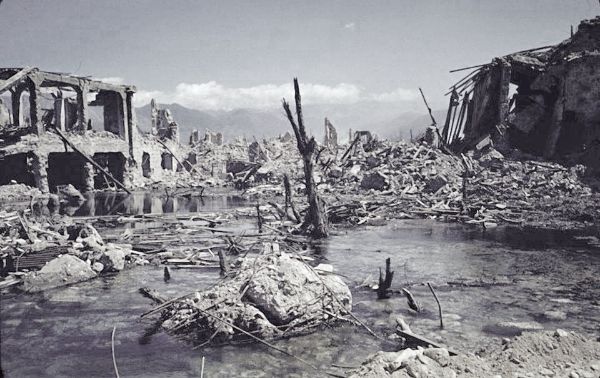
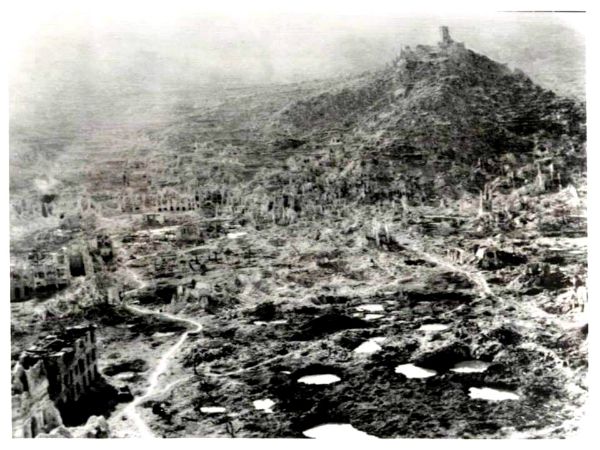
The bombing was approved and conducted on 15 Feb, with 229 US heavy and medium bombers dropping 1,150 tons of high explosive and incendiary bombs, demolishing nearly all structures; Point 593, the German strongpoint beneath the abbey that the Allies attacked but failed to take in early Feb, was nearly untouched by the attacks. Interestingly, the Allies failed to immediately launch a major ground assault immediately after the bombing .With the Monte Cassino monastery in ruins and thus no longer of cultural and historical value, troops of German 1st Parachute Division moved in and precisely used it as an observation post as Allied leadership had feared.
The Indians in Cassino area
In the night of 17 Feb 1944, Indian 4th Division and the New Zealand Division attacked Monte Cassino in strength; a parallel attack by 28th (Maori) Battalion of the New Zealand Division successfully established a small bridgehead across the Rapido River, but this bridgehead would be lost again on the following day.
Cassino WW2 Tours: the third Battle of Cassino
The third Battle of Monte Cassino started with the attempt to take Monte Cassino on 15 March 1944 with an heavy bombardment. When the New Zealand tropps attacked, they met a stronger German defense that what they had expected. Even if the initial attack did capture several positions including Castle Hill, Point 165 and Point 236, heavy rain stopped the Allies. By the end of the day on 17 March, the indian Gurkha troops where within 250 metrs from the monastery while New Zealand Troops were threatening to capture the town of Cassino. After some days the troops were tired and so on 23 march Alexander and Freyberg decided to pause the offensive.
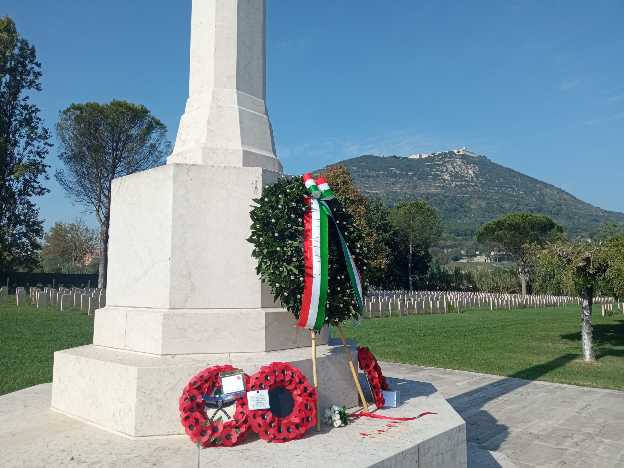
Cassino WWII Tours: the fourth Battle of Cassino
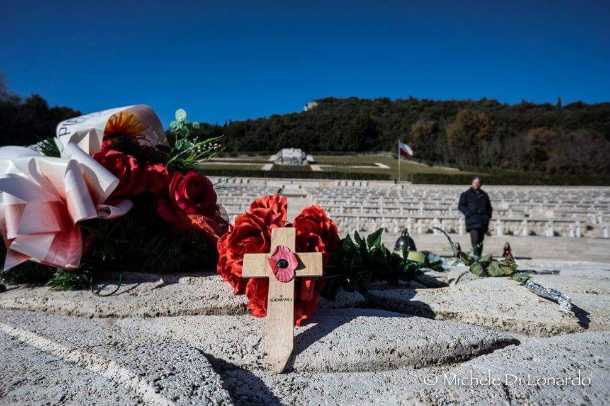
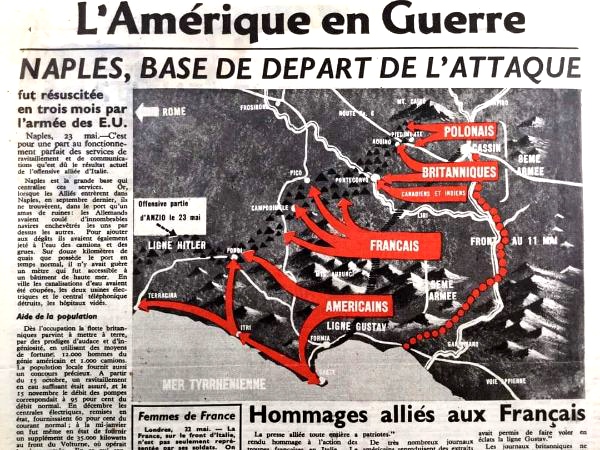
The fourth attack was to become the last on on Cassino.It was launched several weeks later in the night of 11-12 May. The Allies opened this operation with the heavy bombardment, and by the dawn on 12 May some of the Allied units had made significant advances, including the Indian 8th division in establishing a bridge over the Rapido River to bring forth tanks of Canadian 1st Armoured Brigade. During the Day of 12 May POlish troops captured point 593, while on 13 May the French troops captured Monte Maio. As German positions along the Liri River valley began to fall one by one, the Polish Corps launched what was to become the final attack on Monte Cassino.
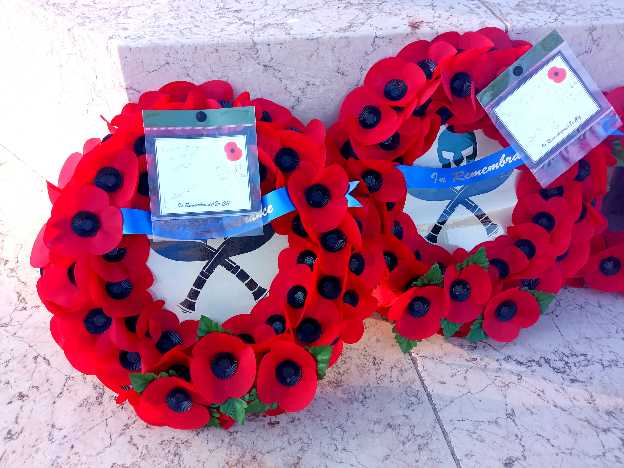
The Polish army inside Monte Cassino abbey
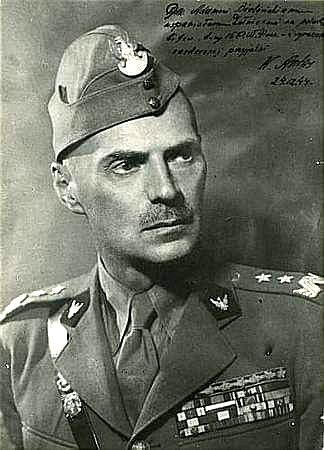
By the following day Anders and his troops took the ruins of the monasteryAfter the 4 battles of Monte Cassino, German troops fell back from the Gustav Line to the Hitler Line (known as Senger Line at this time) even if they knew that it was only a mather of time befor even these positions would have been abandoned. Polish and Canadia troops assaulted the Line on 23 May and in few days the Senger Line was breached. The Line was breacked on May 24 by 1st Canadian Infantry Division, 5th Canadian Armoured Division and the II Polish Corps.