
Monte Cassino Battlefield tours for Canadians with a WWII historian and tour guide: ESSENTIAL INFORMATION ABOUT THIS TOUR
- TOUR DURATION: Approximately 3 to 3.5 hours (from 10:00 a.m. to 1:30 p.m.)
- TOUR PRICE: €90 per person
- YOUR TOUR GUIDE: Anna Maria Priora
- MAXIMUM GROUP SIZE: 12 people
- TRANSPORTATION: 1 or 2 vans
- NOT RECOMMENDED FOR YOUNG CHILDREN
- ITINERARY:A guided tour lasting approximately 3 hours and 30 minutes of the most significant American World War II sites in the Cassino area:
- Whiskey” point on the Monte Trocchio
- Oxford Bridge and Captain Anthony Kingsmill’s Bridge
- London Bridge and the Pease Bell
- The Commonwealth war cemetery
- A German pillboxe of the Hitler Line
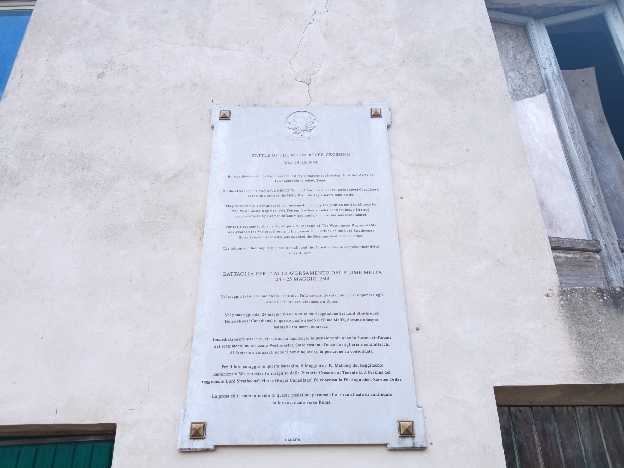
- The Plaque in the Valli D’Aquino area
- San Vito Church next to the Melfa River crossing area
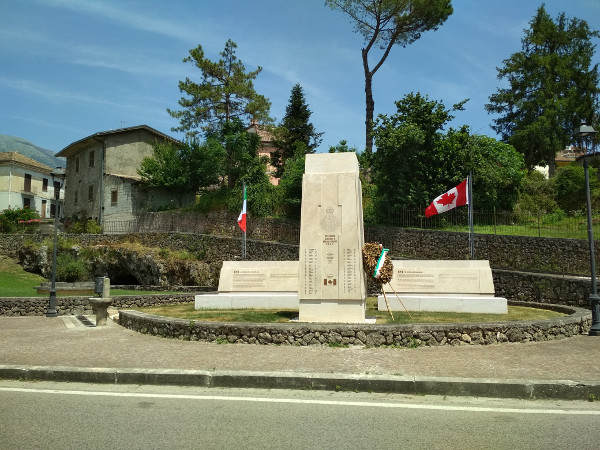
- Aquino Monument dedicated to the Canadians
- REVIEWS: (Read them here)
- WHAT ELSE CAN I VISIT NEARBY WITH A TOUR GUIDE?
- San Pietro Infine and the Mignano Pass (Mignano gap and Winterline)
- HOW TO BOOK:
Monte Cassino Battlefield tours for Canadians with a WWII historian and tour guide: HISTORICAL BACKGROUND
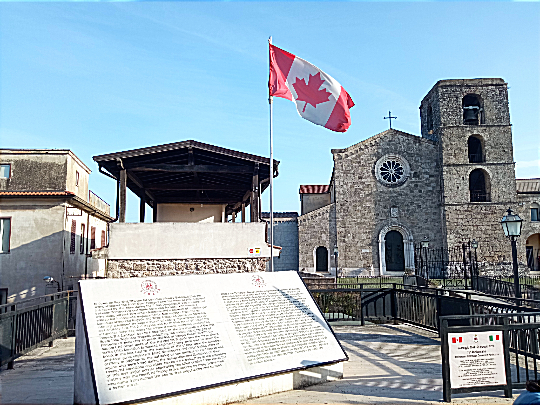
Table of Contents
Sometime I meet Canadians following the footsteps of their Granfathers, or fathers here in Cassino region. They are usually surprised to know that the Canadians with the help of the Indians were the first to force the Gustav Line on the Rapido River. They usually ask me to have a guided tour of the Canadian battlefieldsof Montecassino, to know everything happened here, and to see the place in which the attack took place. But do you know that to prepare this successfull attack it was very important to organise a training for Canadians and Indians together? let’s talk about it.
Monte Cassino Battlefield tours for Canadians: a great friendship with the Indians
At the end of March 1944, the 1st Canadian Armoured Brigade was relieved by the 8th Indian Division in the Adriatic sector and was moved first to a training area southeast of Venafro.
There, it began working in close cooperation with the British XIII Corps and took part in an intensive training program in preparation for the upcoming operations against the Gustav and Hitler Lines. The original plan had been for the Canadians to support the British 4th Brigade in the coming offensive. However, due to the strong friendship and mutual respect that had developed between the Canadian and Indian troops, the plan was changed: the Brigade was informed that it would instead be supporting the Indian Division.
Monte Cassino Battlefield tours for Canadians: the training with the British XIII Corps
However since the 8th Indians Division could not arrive in the area before April 20th, theCanadianscontinued their training with the78th Divisionand the4th British Division, which were to be employed in a similar operation in another sector of theCassino front. It is particularly interesting to understand why it was so important forinfantry and tanksto train together. First of all, the infantry had to become familiar with the characteristics of the tanks and their tactics. It was also crucial to practise the various methods of communication between tanks and infantry — and the very first step was to build a sense of camaraderie between the men.
The Canadians learnt the importance of communications
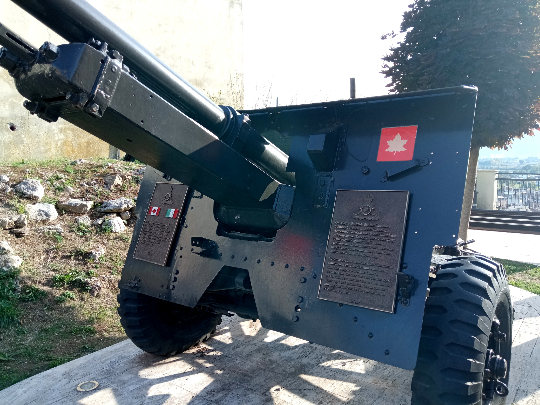
During this training period, a considerable amount of time was dedicated to improving communication. To this end, each tank was equipped with an external telephone mounted in a clip welded to the skirting plate. This was an effective solution, but it had some drawbacks when it came to target identification: the infantryman had to expose himself significantly in order to reach the phone, and usually could not see the target while attempting to describe it over the line. Another improvement adopted was the installation of aNo. 38 setin two tanks of each troop, allowing communication between the tank troop and the infantry platoon.
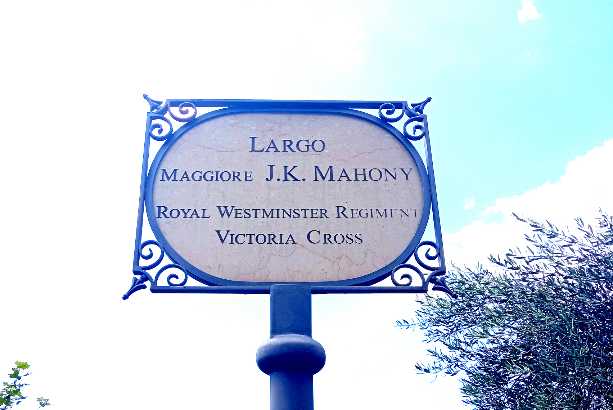
The importance of languages during Monte Cassino Battlefield
A No. 18 set was fitted on one tank in each squadron to enable the infantry battalion commander to maintain contact with his squadron commander. They also planned to use other methods to indicate the target the men were to engage, but the most effective were tracer bullets fired from rifles, where the rifle was pointed in the direction of the target. However, the biggest challenge they faced was that the Indian battalion lacked English speakers at the platoon level, so wireless communication had to be carried out mainly at the company and troop levels.
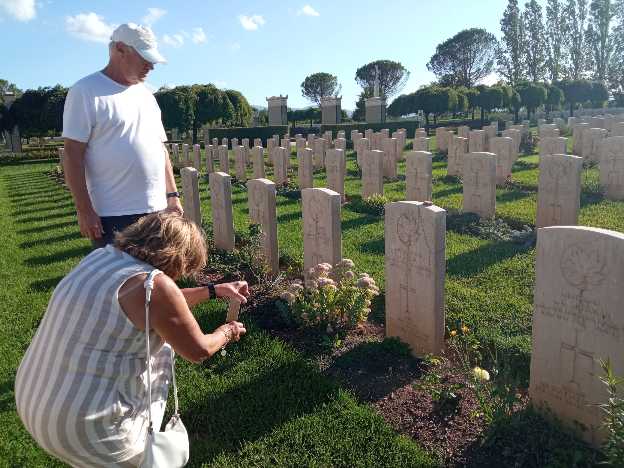
Monte Cassino Battlefield tours for Canadians: ready for the battles
The training with the8th Divisionbegan on23rd Apriland continued until all units of the17th and 18th Infantry Divisionshad completed the course on8th May. All accounts of this period, written by veterans, speak with enthusiasm about the training. This shows that one of the main goals of the project had been achieved.
Book aguided tour of the Canadian Battlefieldswith us… it will be an emotional experience!
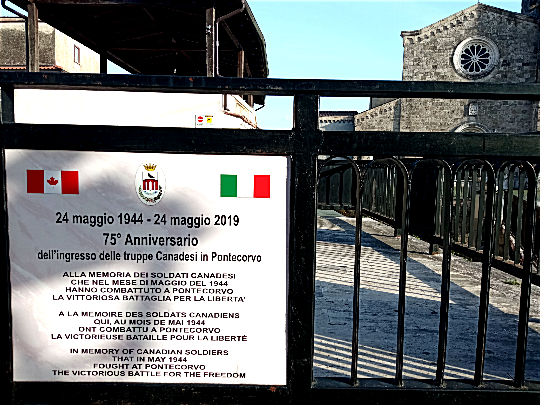
Monte Cassino Battlefield tours for Canadianswith a WWII historian and tour guide: WHAT TO EXPECT
The “Cassino Battlefield tours for Canadians” (about 3 hours) includes:
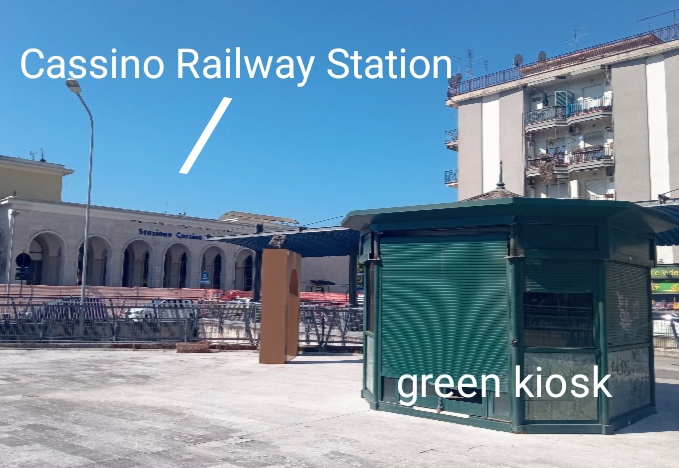
1)Pickup from the railway station in Cassino every day at 10:00 AM or 2:00 PM (Main Square, near the Green Kiosk)
2) A guided tour lasting approximately 3 hours and 30 minutes of the Canadian most meaningful sites of Cassino:
- “Whiskey” point on the Monte Trocchio
- Oxford Bridge and Captain Anthony Kingsmill’s Bridge
- London Bridge and the Pease Bell
- The Commonwealth war cemetery
- A German pillboxe of the Hitler Line
- The Plaque in the Valli D’Aquino area
- San Vito Church next to the Melfa River crossing area
- Aquino Monument dedicated to the Canadians
3) return to the railway station in Cassino at 01.30 PM or 05.30 PM
Monte Cassino Battlefield tours for Canadians with a WWII historian and tour guide: WHAT YOU MUST KNOW ABOUT THIS TOUR
TOUR DURATION: about 3 hours
DEPARTURE TIME: Daily at 10.00AM and 02.00PM
MEETING POINT: Cassino Railway Station (Main Square, near the Green Kiosk)
WHAT IS INCLUDED:
- Professional WW2 Guidance
- Transportation
- Donation to the monastery
WHAT IS NOT INCLUDED: Lunch and dinner are not included
PRICE PER PERSON: 90 euros
PAYMENT:
- No advance payment required
- Payment can be made in cash to your guide during the tour

Monte Cassino Battlefield Tours for Canadians with a WWII historian and tour guide: More Tours Available in This Area
CANADIANS IN CASSINO BATTLEFIELD TOUR⭐⭐⭐⭐⭐
CANADIANS IN THE LIRI VALLEY BATTLEFIELD TOUR⭐⭐⭐⭐⭐
Monte Cassino Battlefield tours for Canadians
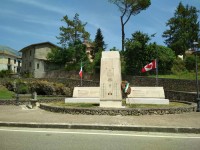
Monte Cassino Battlefield tours for Canadians held by Anna Priora local guide and Expert. Prices per person minimum 2 people
SKU del prodotto:Canadians-general
Brand di prodotto:Monte Cassino War Tours
Valuta del prodotto:Eur
Prezzo del prodotto:150
Prezzo valido fino a:30-12-2030
Prodotto in magazzino:InStock
5