
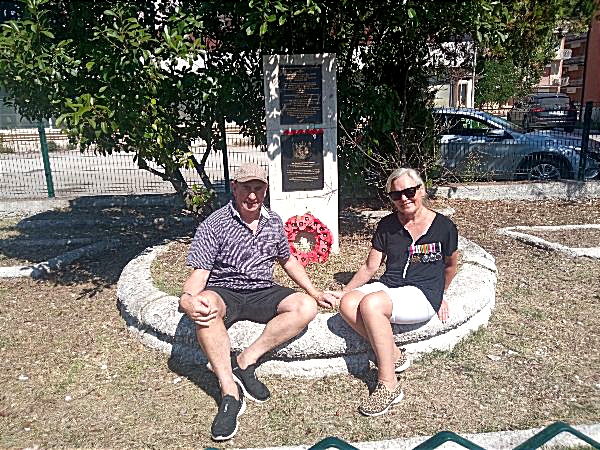
Monte Cassino Tour for New Zealanders with a WWII historian and tour guide: ESSENTIAL INFORMATION ABOUT THIS TOUR
- TOUR DURATION: Approximately 3 to 3.5 hours (from 10:00 a.m. to 1:30 p.m.)
- TOUR PRICE: €90 per person
- YOUR TOUR GUIDE: Anna Maria Priora
- MAXIMUM GROUP SIZE: 12 people
- TRANSPORTATION: 1 or 2 vans
- NOT RECOMMENDED FOR YOUNG CHILDREN
- ITINERARY:A guided tour lasting approximately 3 hours and 30 minutes of the most significant American World War II sites in the Cassino area:
- Brigade headquarter next to the Gustav Line
- 28 Battalion headquarter next to the Liri Valley
- 36 Survey Battery position
- REVIEWS: ⭐⭐⭐⭐⭐ (Read them here)
- WHAT ELSE CAN I VISIT NEARBY WITH A TOUR GUIDE?
- San Pietro Infine and the Mignano Pass (Mignano gap and Winterline)
- HOW TO BOOK:
Monte Cassino Tour for New Zealanders with a WWII historian and tour guide: HISTORICAL BACKGROUD

Table of Contents
The official announcement ofBritain’s declaration of warreached Wellington eight minutes before midnight on 3 September. Shortly before 2 a.m. on 4 September, New Zealand informed London of its own declaration of war.New Zealand was one of the first democratic nations to enter the Second World War alongside Britain, Australia, and France. After a few days of neutrality, Canada and South Africa would also join them.
Monte Cassino Tour for New Zealanders
The New Zealand Division that landed in Taranto was not the same as the one that had fought in North Africa until May 1943. Many soldiers had been killed or wounded in Africa, and so the men who arrived in Italy were much younger and had less combat experience. However, they quickly learned the dangers of the Italian battlefield and soon became hardened veterans. From November to December 1943, during the battles of the Sangro River and Orsogna on the Adriatic coast, the Kiwis suffered 1,600 dead and wounded.
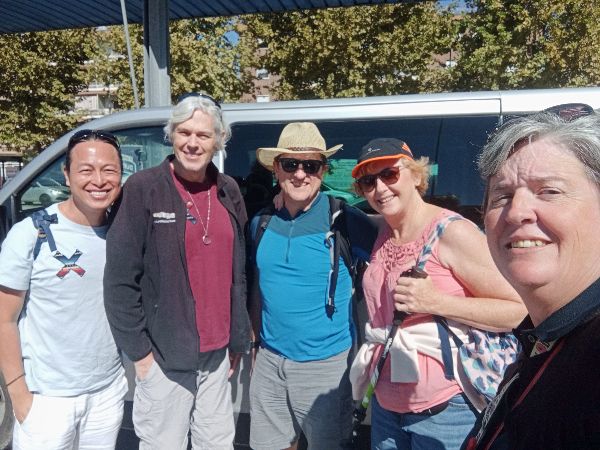
Battlefield Tours for New Zealanders: the 2 New Zealand Division and the 4th Indian Division
At the end of January 1944, General Alexander ordered the 2nd New Zealand Division and the 4th Indian Division to leave the 8th Army on the Adriatic front and join the 5th Army in the Liri Valley. General Clark combined these two divisions into the New Zealand Corps and sent them into battle as soon as possible. Everyone knew that the Monte Cassino battlefield would be extremely difficult to break through, so the only solution was to bring in French troops to support the attack.
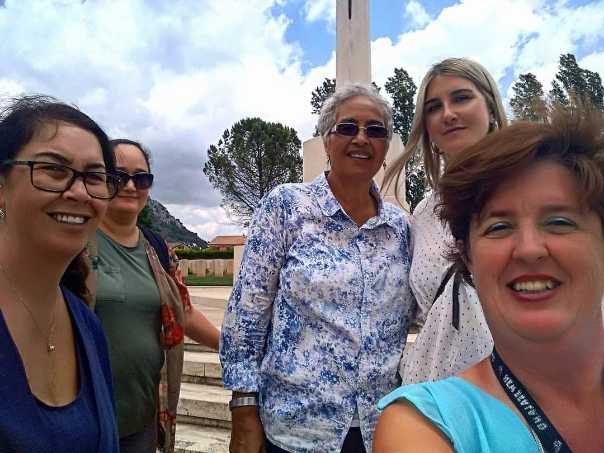
Battlefield Tours for New Zealanders: two different syncronized attacks
The New Zealand generals were deeply concerned as they faced the inevitable task of organizing a New Zealand-led attack on the Monte Cassino battlefield. As part of theNew Zealand Corps, they had expected to advance through a gap that American forces were supposed to open, linking up with other Allied forces that had landed at Anzio, north of Cassino, in a push toward Rome. However, the American offensive failed.General Freybergwas determined to carefully plan his attack, having learned from the bloody failure of the previous American assaults.
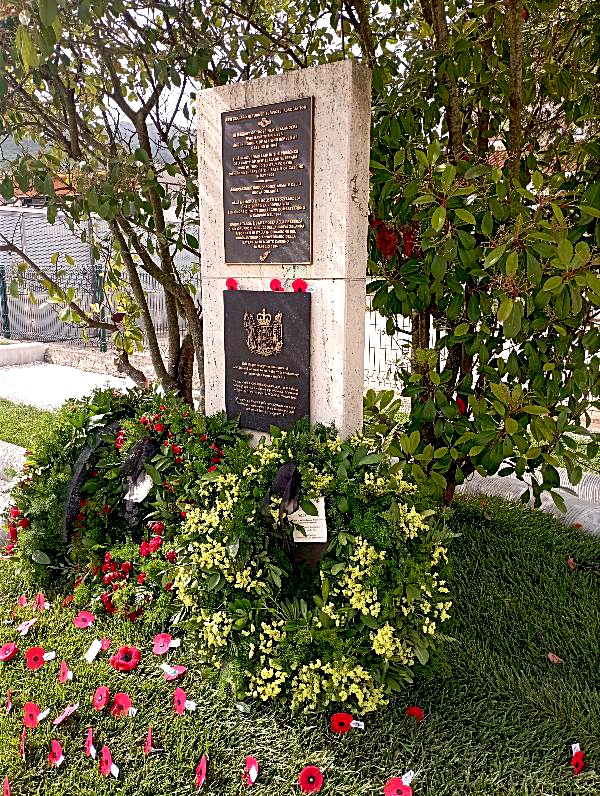
Battlefiend tours for Kiwis
He devised a two-pronged strategy: while the 4th Indian Division attacked north of the town, where the Americans had made limited gains, the New Zealanders would aim to capture the railway station and two other nearby strategic positions.
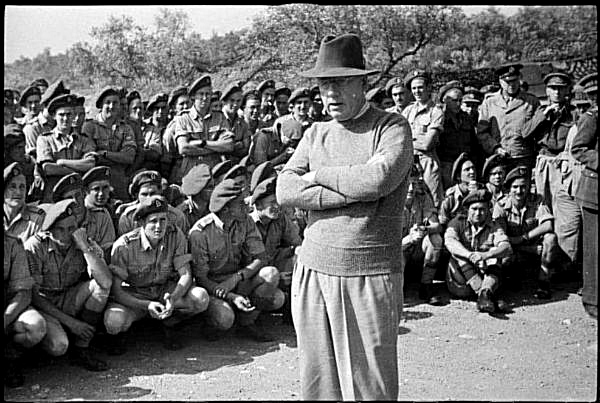
Battlefield Tours for New Zealanders: the bombing of Montecassino Abbey
The troops believed that the Germans were using the monastery of Monte Cassino as an observation point. As a result, the Indian divisional commander suggested its destruction, and General Freyberg agreed. On 15 February, the monastery was obliterated by massive bombing raids. In reality, the Germans had never used the monastery as an observation post—but after the bombing, they turned the ruins into a strong defensive position.As soon as darkness fell on 17 February, several hundredMāori infantrymenadvanced along the causeway. For a general idea of the Battle have a lookhere
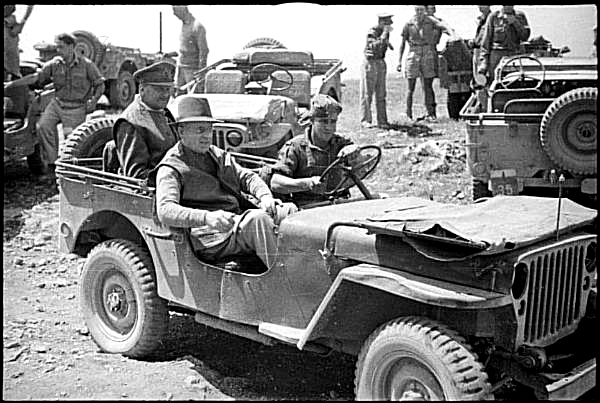
Battlefield Tours for New Zealanders: the 28 Maori Battalion at Cassino Railway station
By 2 a.m., the Cassino railway station was in Māori hands. Smoke was laid down to conceal the Māori troops as they waited for reinforcements under the cover of darkness, but they endured uncomfortable hours under mortar fire. By late afternoon, their position had become untenable as German tanks and infantry launched a concentrated counter-attack. The Māori were forced to withdraw from the station and retreat across the causeway. General Freyberg was then compelled to prepare a new attack, using a different approach on the same Cassino battlefield.
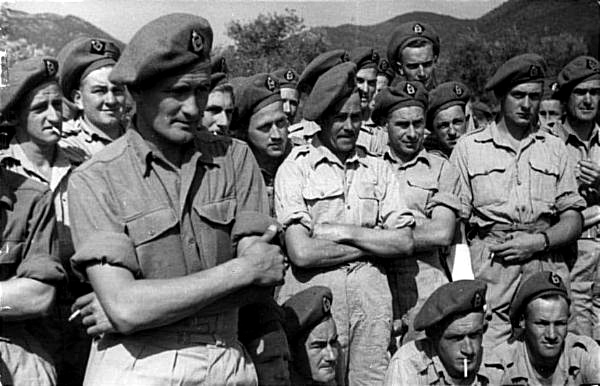
The citations of gallantry during the tour Battles of Cassino
The Military Cross was awarded to junior officers and senior non-commissioned officers for courage and devotion to duty. Over 250 Military Crosses were awarded to Kiwis during the Second World War. Non-commissioned officers could also receive the Distinguished Conduct Medal, one of the Army’s highest honors for bravery and distinguished conduct on the battlefield. During the four battles of Cassino, four Kiwis were recognized: one received the Military Cross, and three were awarded the Distinguished Conduct Medal.
Battlefield Tours for New Zealanders with a WWII historian and tour guide: WHAT TO EXPECT
The“Monte Cassino Battlefield tour for New Zealanders”(about 3 hours) includes:
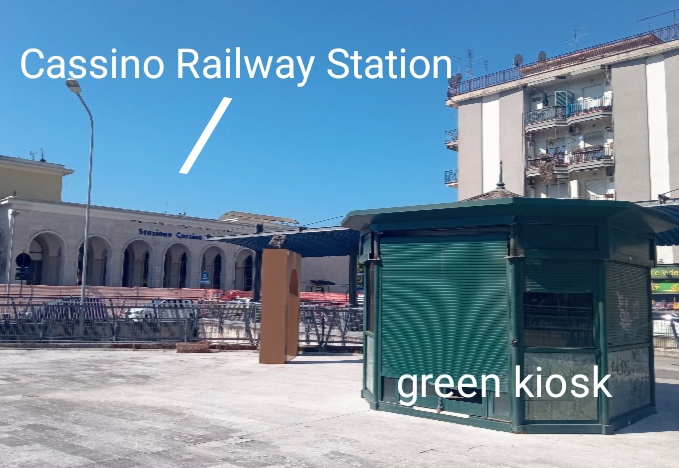
1) Pickup from the railway station in Cassino every day at 10:00 AM or 2:00 PM (Main Square, near the Green Kiosk)
2) A guided tour lasting approximately 3 hours and 30 minutes of the British most meaningful sites of Cassino:
5 Brigade headquarter next to the Gustav Line
28 Battalion headquarter next to the Liri Valley
36 Survey Battery position
3) return to the railway station in Cassino at 01.30pm or 05.30pm
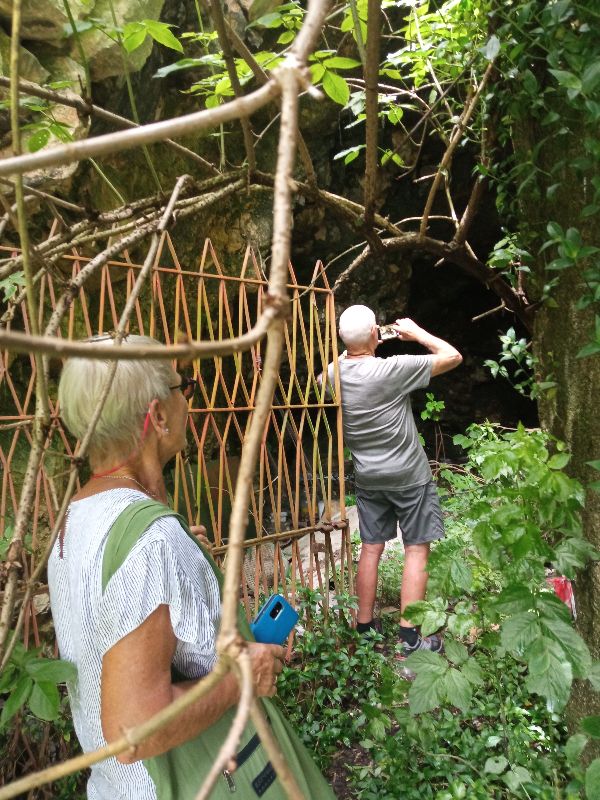
Battlefield Tours for New Zealanders with a WWII historian and tour guide: WHAT YOU MUST KNOW ABOUT THIS TOUR
TOUR DURATION: about 3 hours
DEPARTURE TIME: Daily at 10.00AM and 02.00PM
MEETING POINT: Cassino Railway Station (Main Square, near the Green Kiosk)
WHAT IS INCLUDED:
- Professional WW2 Guidance
- Transportation
- Donation to the monastery
WHAT IS NOT INCLUDED: Lunch and dinner are not included
PRICE PER PERSON: 90 euros
PAYMENT:
- No advance payment required
- Payment can be made in cash to your guide during the tour

Monte Cassino Battlefield Tours for Kiwis with a WWII historian and tour guide: More Tours Available in This Area
Maoris Monte Cassino Battlefield Tour⭐⭐⭐⭐⭐
Kiwis’ Monte Cassino Battlefield Tour⭐⭐⭐⭐⭐
Cassino Battlefield Tours for New Zealanders
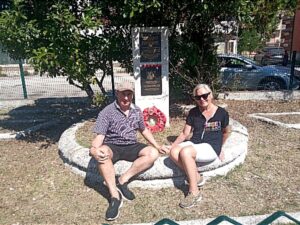
Cassino Battlefield Tours for New Zealanders held by Anna Priora, local guide and ww2 Expert. Price per person
SKU del prodotto:Nz1
Brand di prodotto:Monte Cassino War Tour
Valuta del prodotto:Eur
Prezzo del prodotto:90
Prezzo valido fino a:30/12/2030
Prodotto in magazzino:InStock
5