
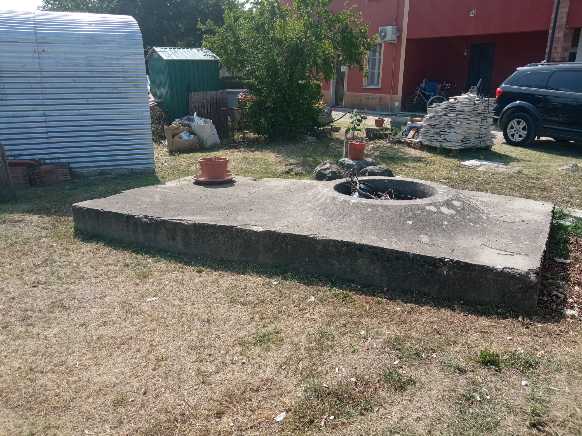
Pillboxes on the Hitler Line: WHAT TO EXPECT
Fred Majdalanydescribed theHitler Linevery clearly in his book, and his description matches exactly what we can still see today in the countryside aroundAquinoandPontecorvo. This defensive line was constructed behind theGustav Line, along the road to Rome. Since it lacked the natural defensive strength of the Gustav Line, German engineers did their best to fortify it as effectively as possible.
Panther turrets on the Hitler Line
The line was built about 10 km north of the Gustav Line and was composed of minefields, anti-tank ditches, barbed wire grids, and bunkers. Due to limited time, the Germans opted for a simple but effective system — digging anti-tank ditches along the length of the line. Behind this passive defense were strategically placed machine guns, and, for the first time,Panther tank turrets.
A very simple and strong defensive line
These bunkers were constructed in an innovative way: on top was atank turretequipped with an 88 mm gun. Made of steel, each turret weighed approximately40 tons(400 quintals), with wall thicknesses of about3 cm. The structures measured roughly3 meters in heightand5 meters in width.
Each bunker was equipped with a heavy iron door and could hold up tosix soldiers. Inside, there was enough space forsix bunk beds, a small kitchen, and even a toilet. The construction process was methodical: first, a large pit was dug; then the steel structure was placed inside; finally, the bunker was covered withreinforced concreteandcamouflaged with grass and earth.
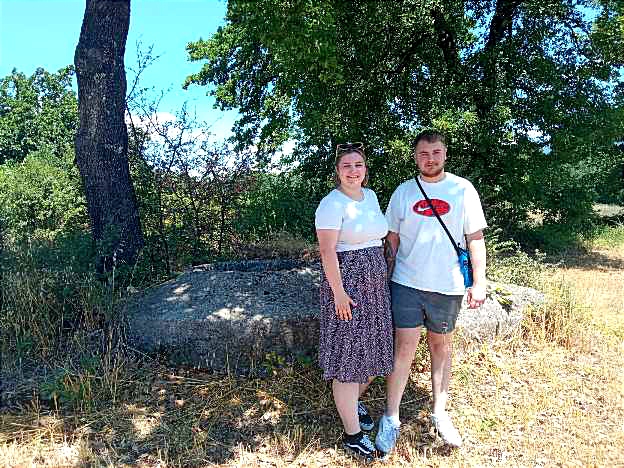
Table of Contents
Panther Turrets and German defences: the battlefield along the Hitler Line
TheGermans used these bunkerstostore ammunitionand totake shelterfrom Allied attacks. The distance between each bunker was deliberately short, allowing them tosupport one anotherin case of assault. Their number was significant—around200 bunkersin total.
These special bunkers were known asTobruks, named after theLibyan city of Tobruk, which became famous during World War II for being besieged byGeneral Rommel’s Afrika Korps. During that siege, soldiers from both sides dug intoimprovised foxholes and defensive positions, a tactic that inspired the compact, entrenched design of the Tobruk bunkers. These structures providedexcellent protection, with only the top opening exposed, often equipped with a mounted weapon or observation point.
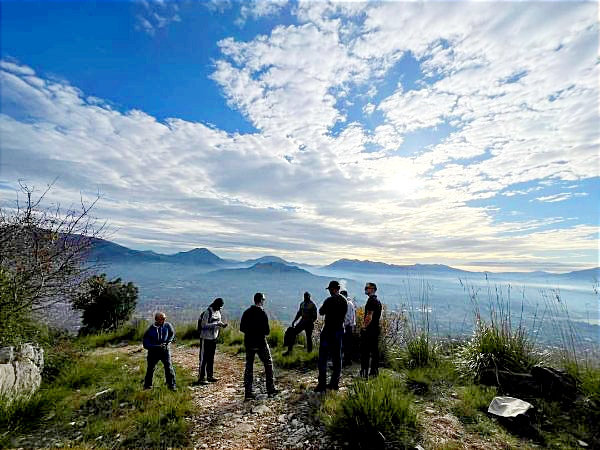
The Senger Line: different names for the same defensive line
Thisdefensive lineextended fromPiedimonte San Germanoto thesouth of Pontecorvo. Its original German designation was“Führerlinie” (Fuehrer Line), but it was later renamed the“Senger Line“on24 February 1944, in an attempt to obscure Hitler’s direct association with the fortifications.
The line wasplanned in November 1943andconstructed in December, primarily by theTodt Organization, with theforced labor of foreign workers, including manyItalians. TheSenger Linewas built as a secondary defensive barrier behind the Gustav Line, aimed at delaying the Allied advance toward Rome after the fall of Monte Cassino.
Hitler Line: simple mut not so easy to be crossed
This line was constructed to ensure a particularlylong and clear field of firein front of the Panther turrets. To achieve this, the Germanscut down all the treesin the area to a uniform height of approximately45 cm from the ground, clearing the landscape and preventing any cover for advancing enemy troops.
However, theflanks and rear of the turretshadrestricted fields of fire, making them vulnerable. To protect these weaker areas, the Germans deployedanti-tank guns, typically placed inpairsabout200 meters behind or to the sides of the turrets, oftenhidden behind housesor other structures for concealment.
Additionally, some of these guns were positionedfurther to the rear, either toadd depth to the defensive lineor to be used asreserves for counterattacks, allowing the Germans to respond flexibly to any Allied breakthrough.
Hitler Line Battlefield tours
If you want to know something more about the Hitler line, have s look to my new website www.visitaquino.altervista.org. instead if you are interested on the battlefield tour on the footsteps of those that attacked Aquino and the Hitler line, please have a look to my
Pillboxes on the Hitler Line: ALL YOU MUST KNOW
The “Pillboxes on the Hitler Line” can be visited every day all around the year.
You must book this tour in advance.
Sorry but whellchairs can not be used
Please wear good sport shoes or trekking shoes
Pillboxes on the Hitler Line: MY TOUR
The “Pillboxes on the Hitler Line” tour (about 3 hours) includes:
1) pickup from your arrival in Cassino at 10.00AM or 02.00PM and about 20 minute ride to Aquino
2) about 1 hours and 30 minutes guided tour of Aquino and Pontecorvo area
3) about 20 minutes ride back to the railway station in Cassino at 01.00PM or 05.00PM
Pillboxes on the Hitler Line: WHAT ELSE YOU CAN’T MISS IN THIS AREA
Hitler Line Battlefieldtoursfor Canadians⭐⭐⭐⭐⭐
Pillboxes on the Hitler Line
Pillboxes on the Hitler Line Is a tour held by Anna Priora ww2 Expert and local guide. Price per person
SKU del prodotto:Pillboxes
Brand di prodotto:Monte Cassino War Tour
Valuta del prodotto:Eur
Prezzo del prodotto:90
Prezzo valido fino a:30-12-2030
Prodotto in magazzino:InStock
5