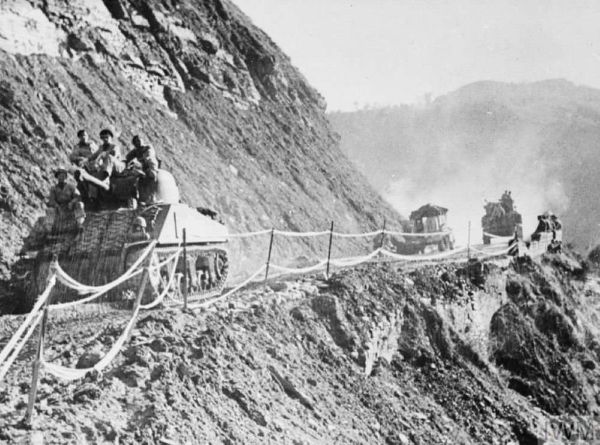
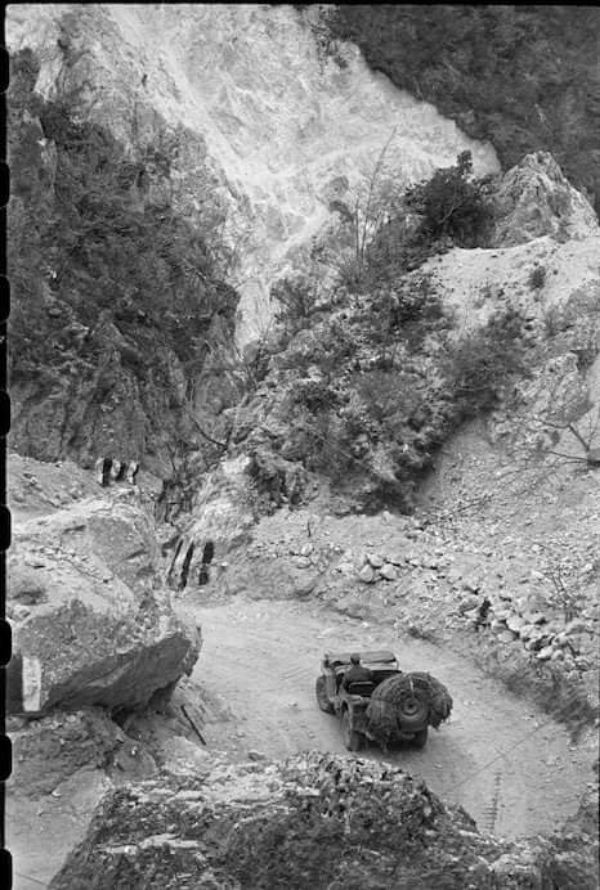
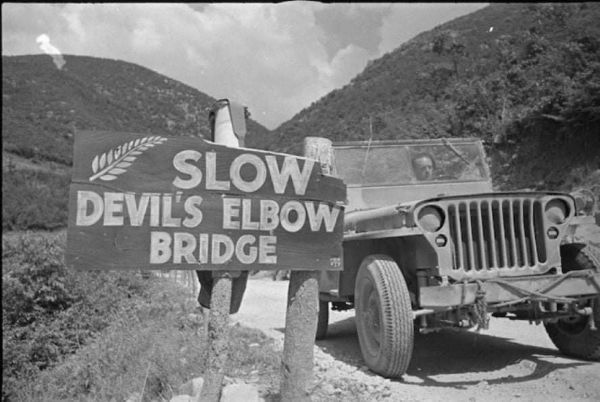
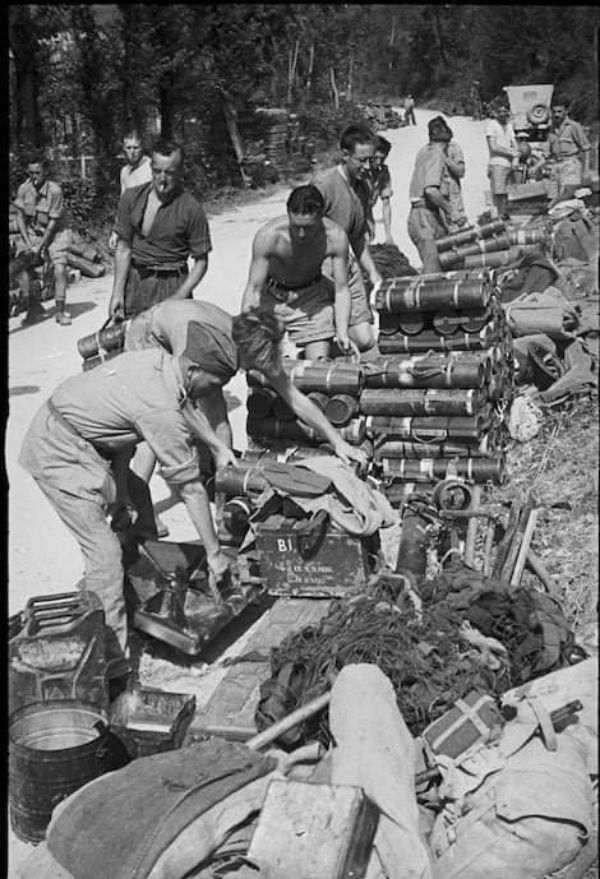
The Cavendish Roadwas a tank path built by Indian and New Zealand engineers in just ten days in February 1944 to support an Allied attack on Monte Cassino. The route was essential because, despite the short distance, transporting supplies and equipment to the top of the hills was extremely difficult.
Indian engineers worked tirelessly to transform a simple mule track into a road suitable for vehicles. The road ran from the village ofCaira, just a few kilometers from Cassino, up toPhantom RidgeandSnakeshead Ridge, climbing over800 feet in about a mile and a half.
Because the Indian engineers had limited equipment, the better-equippedNew Zealand (Kiwi) engineersjoined the effort. From3 to 10 March, they worked side by side using compressors, bulldozers, pick-axes, and crowbars to carve through the rock. As some parts of the road were exposed to enemy observation and fire,camouflage netswere used to conceal the construction and maintain the element of surprise.
The road was wide enough that on19 March 1944,37 Kiwi tanksfrom theNew Zealand Armoured Divisionwere able to reach the rear of the monastery, surprising the Germans positioned on the heights of Monte Cassino. However, because the tanks advancedwithout accompanying infantry, the German4th Parachute Regimentwas able to destroy the first ten tanks near themedieval Albaneta Farm, forcing the others to retreat.
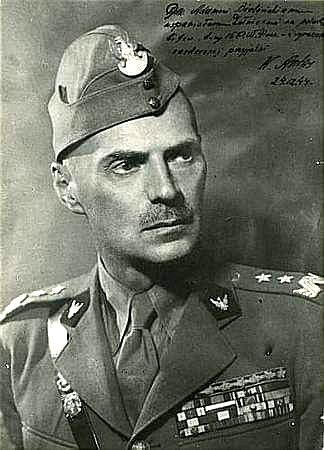
ThePolish II Corpslater used the same road during thefinal assault on Monte Cassino on 12 May 1944. Today, it is still possible to hike the Cavendish Road and reach Monte Cassino following the same path taken by the New Zealanders over 80 years ago.